A pile design that works perfectly on the flat, dense gravels of South Dunedin can fail completely when applied to the steep loess slopes of Maori Hill. The difference is not subtle; it is a matter of load transfer mechanism and lateral soil confinement. Dunedin's geology shifts dramatically over short distances, from volcanic basalt flows to compressible alluvial silts in the harbourside suburbs, and a uniform shallow footing approach simply does not hold. Our pile foundation design process starts with a detailed review of the borehole SPT data to map refusal depth and skin friction potential across each specific lot. For structures near the Leith River floodplain, where liquefiable layers often appear within the upper 6 metres, we integrate liquefaction assessment protocols from the NZGS Module 4 guidelines directly into the pile lateral load analysis.
A pile socketed into fractured Otago Schist needs a different design philosophy than one bearing on Caversham sandstone — skin friction governs one, end bearing the other.
Methodology applied in Dunedin
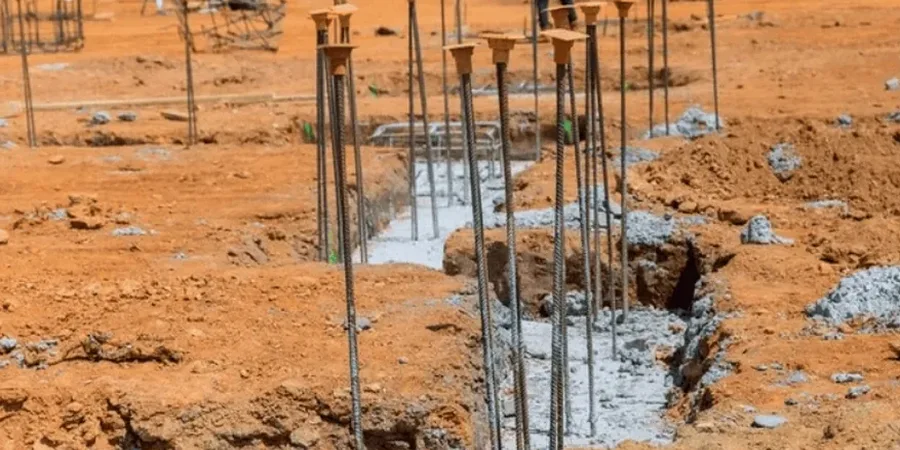
Local geotechnical conditions in Dunedin
A recurring error on Dunedin sites is installing piles to refusal without verifying the nature of the refusal layer. A large basalt boulder floating in a clay matrix can give a false refusal at 3 metres, while the real competent rock sits another 5 metres below. We have seen this in the hillside subdivisions around Mornington, where construction over old landslide debris is common. If the pile toe is not socketed into stable bedrock, the entire foundation can settle differentially as the clay matrix consolidates or creeps downhill. Our design process mandates rotary core confirmation at a minimum of one pile location per distinct geomorphic unit, plus cross-hole sonic logging on critical piles, to ensure the socket is continuous and free of soft inclusions before the cage is placed and concrete is poured.
Our services
Our pile design scope in Dunedin covers the full structural-geotechnical interface, from concept to construction verification. The following services are typically delivered as a single integrated package:
Axial capacity and settlement analysis
We calculate shaft resistance and end bearing using effective stress parameters from lab testing on undisturbed samples, with t-z curves to model load transfer and predict pile head settlement under service loads.
Lateral load and deflection checks
Using p-y springs calibrated to the local geology, we model pile response under wind and seismic lateral loads, ensuring deflections remain within the structural tolerance of the superstructure.
Liquefaction and lateral spreading design
For sites in the South Dunedin basin, we design piles to resist down-drag from settling ground and kinematic forces from lateral spreading, often using casing through the liquefiable horizon.
Construction monitoring and pile testing
We provide on-site inspection during pile drilling and concreting, plus PDA dynamic load testing or static load tests to confirm that installed capacity meets the design assumptions before the superstructure proceeds.
Common questions
What is the typical depth for bored piles in Dunedin's hillside subdivisions?
Depth is governed by the depth to competent rock, not a generic rule. In areas like Roslyn or Belleknowes, piles often reach 6 to 12 metres to socket past colluvium into Otago Schist. In Andersons Bay, where alluvial deposits overlie basalt, refusal may occur at just 4 to 5 metres. Each pile is designed using site-specific borehole logs and NZS 3404 load and resistance factor design methods.
How do you account for seismic lateral spreading in pile design near the harbour?
For sites in South Dunedin and the reclaimed foreshore, we run a lateral spreading analysis using SPT blow counts and CPT tip resistance to identify liquefiable layers. The pile is then designed for kinematic bending demands from the spreading crust using NZGS/MBIE Module 4 procedures, with steel casing often extended through the liquefiable zone to maintain confinement and prevent buckling.
What is the cost range for a pile foundation design package for a single residential dwelling in Dunedin?
A complete design package, including geotechnical investigation review, pile capacity calculations, and a producer statement for consent, typically falls between NZ$2.760 and NZ$10.390. The range depends on the number of piles, the complexity of the ground profile, and whether dynamic load testing or PDA monitoring is required for verification.
Can you design screw piles for lightweight structures on Dunedin's peat soils?
Screw piles can be effective in the peaty ground found in parts of the Taieri Plain, but only when the helix plates reach sufficient bearing in underlying gravels. We design the helix configuration and shaft diameter based on installation torque correlations and verify capacity through pull-out tests. For structures with higher lateral demands, a grouted shaft or a micropile alternative is often recommended.